- Blog
- How to Import a Car to Slovakia
How to Import a Car to Slovakia
Learn how to import a used car to Slovakia as a business. See which documents to prepare and what steps to take during the import process.
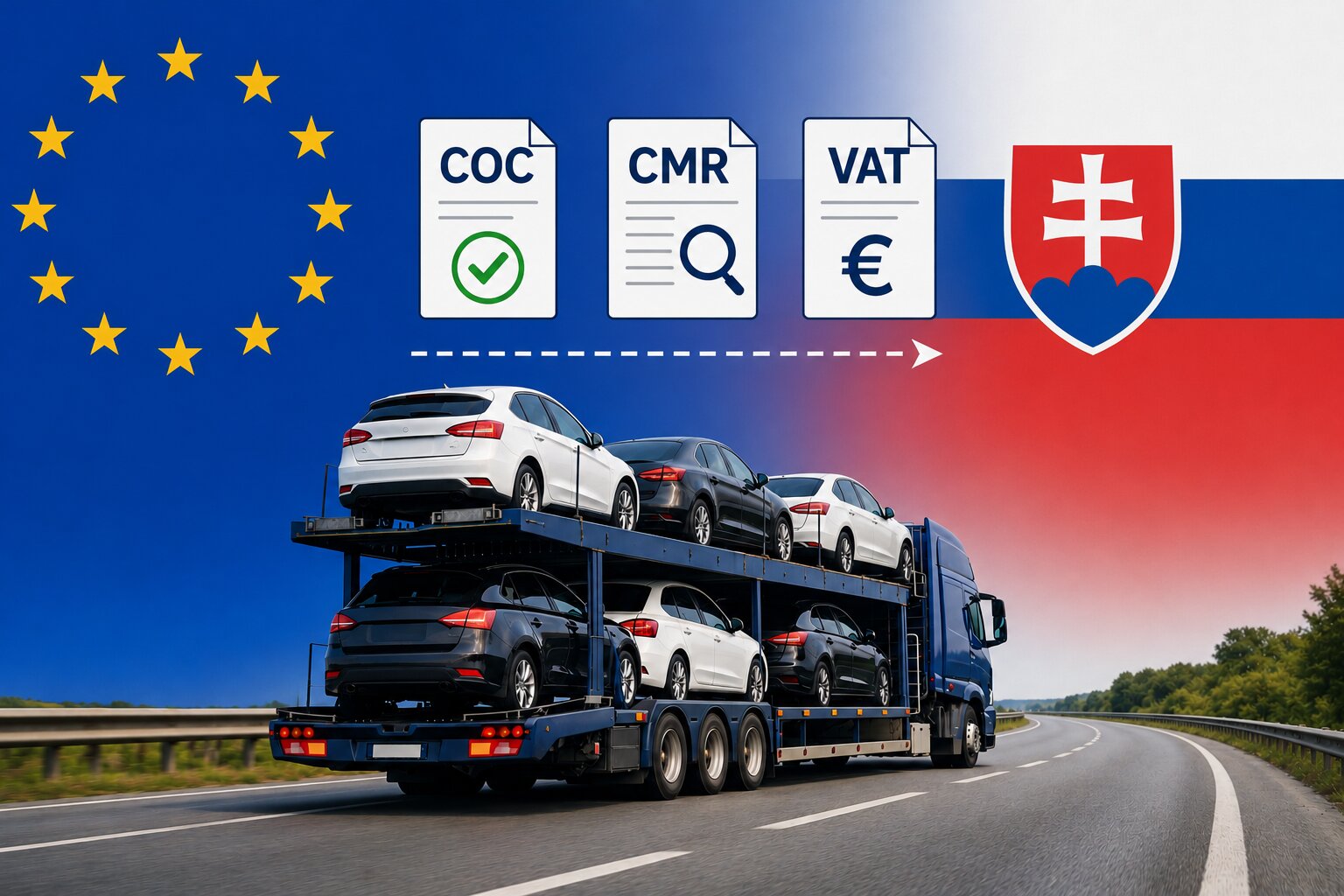
Slovakia may be known for producing and exporting cars, but let’s not forget that importing used cars into Slovakia can be a profitable business, too.
Many car dealers in Slovakia buy vehicles from other European countries to find a wider choice of models and better prices.
If you’d like to do the same, it’s important to know how the import process works.
That’s why we’ll see all the documents you’ll need, taxes you’ll handle, and the steps you’ll take along the way.
Documentation for importing a vehicle to Slovakia as a business
We’ll start with a list of documents you’ll need during the import.
Vehicle purchase invoice
You’ll need proof that you bought the car legally, so you should prepare the vehicle purchase invoice.
This document is also important because it shows the VAT treatment, the purchase price, and the details of both the buyer and the seller.
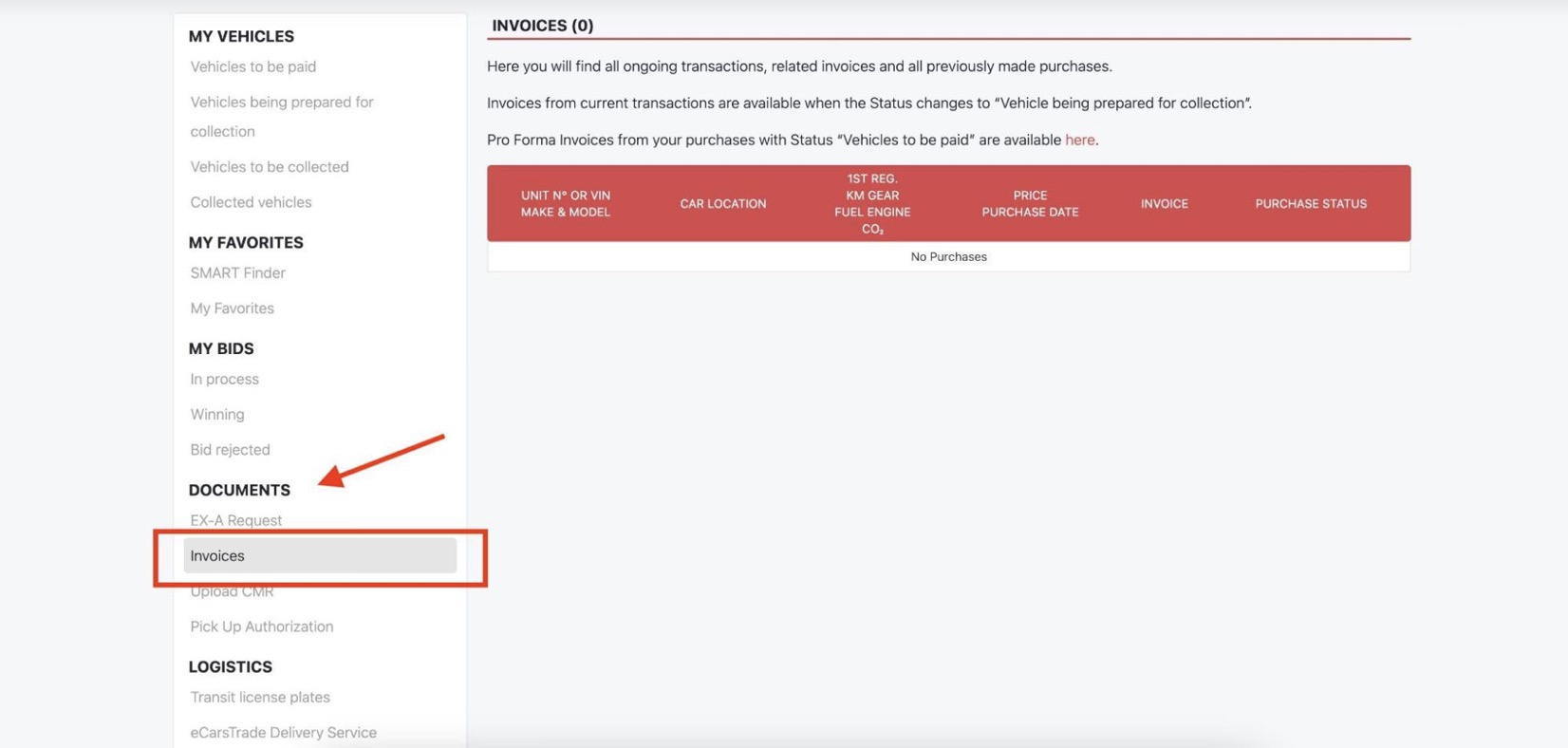
When you buy on eCarsTrade, your invoice is available in your Personal Page after the purchase is complete.
Original registration papers
You’ll also need the car’s registration documents from the country of origin.
If the registration certificate consists of two parts, you should prepare both.
All cars sold on eCarsTrade come with their original registration papers, so you can prepare this part of the import process more easily.
Proof of identity and company documents
For registration in Slovakia, you’ll need identification.
If the car is being registered to a company, you should also prepare your company details and documents showing that the person handling the registration is authorized to act for the business.
Official translations into Slovak
If your documents are in a foreign language, you may need official Slovak translations.
Check with the District Office and the Traffic Inspectorate (Dopravný inšpektorát) to see which documents need to be translated, so you can prepare them in time.
Taxes when importing a car to Slovakia
To accurately estimate the cost of imports, you should check which taxes apply to your car.
The main ones to keep in mind are VAT and customs duty.
Value-added tax (VAT)
You may have heard of the new 2026 flat-rate VAT deduction in Slovakia.
In simple terms, it limits VAT deduction to 50% for some passenger cars that companies use both for business and private purposes.
However, if you’re buying vehicles for resale, this rule does not apply to you.
Vehicles bought for resale are excluded from the 50% deduction limit, so Slovak car traders can continue to follow the regular VAT rules when importing used cars for their dealership.
So, if you’re buying a used car from another EU member state, VAT will depend on the VAT scheme used (standard VAT scheme or margin scheme).
|
Standard VAT scheme |
On eCarsTrade, these cars are marked as VAT-deductible. If you’re a Slovak VAT-registered business buying from another EU country, the vehicle is usually sold at the net price, without foreign VAT. You then account for VAT in Slovakia. |
|
Margin scheme |
On eCarsTrade, these cars are marked as Margin - VAT not deductible. The VAT is already included in the price, but it is not shown separately on the invoice, so the buyer cannot deduct it. |
Before buying, always check which VAT scheme applies so you can plan your VAT costs in advance.
Customs duty
If you’re importing a used car into Slovakia from another EU country, customs duty does not apply, and you don’t pay it.
Customs duty only becomes relevant if you buy a car from outside of the EU, because Slovakia then follows the EU Common Customs Tariff.
For passenger cars, the standard customs duty is often 10%, but you should always check the TARIC database for the rate, as it depends on the vehicle type, tariff code, and country of origin.
Step-by-step process - from purchasing a car to importing it to Slovakia
And now, let’s see the entire import process, starting from buying the car.
1. Research and buy the car
After you’ve examined your local market and identified cars that you would sell fast, it’s time to stock up.
Online auctions can help you here, because they give you access to a much wider selection of used vehicles than you’d find locally.
On eCarsTrade, you can browse cars from across Europe and filter by make, model, year of first registration, and more.
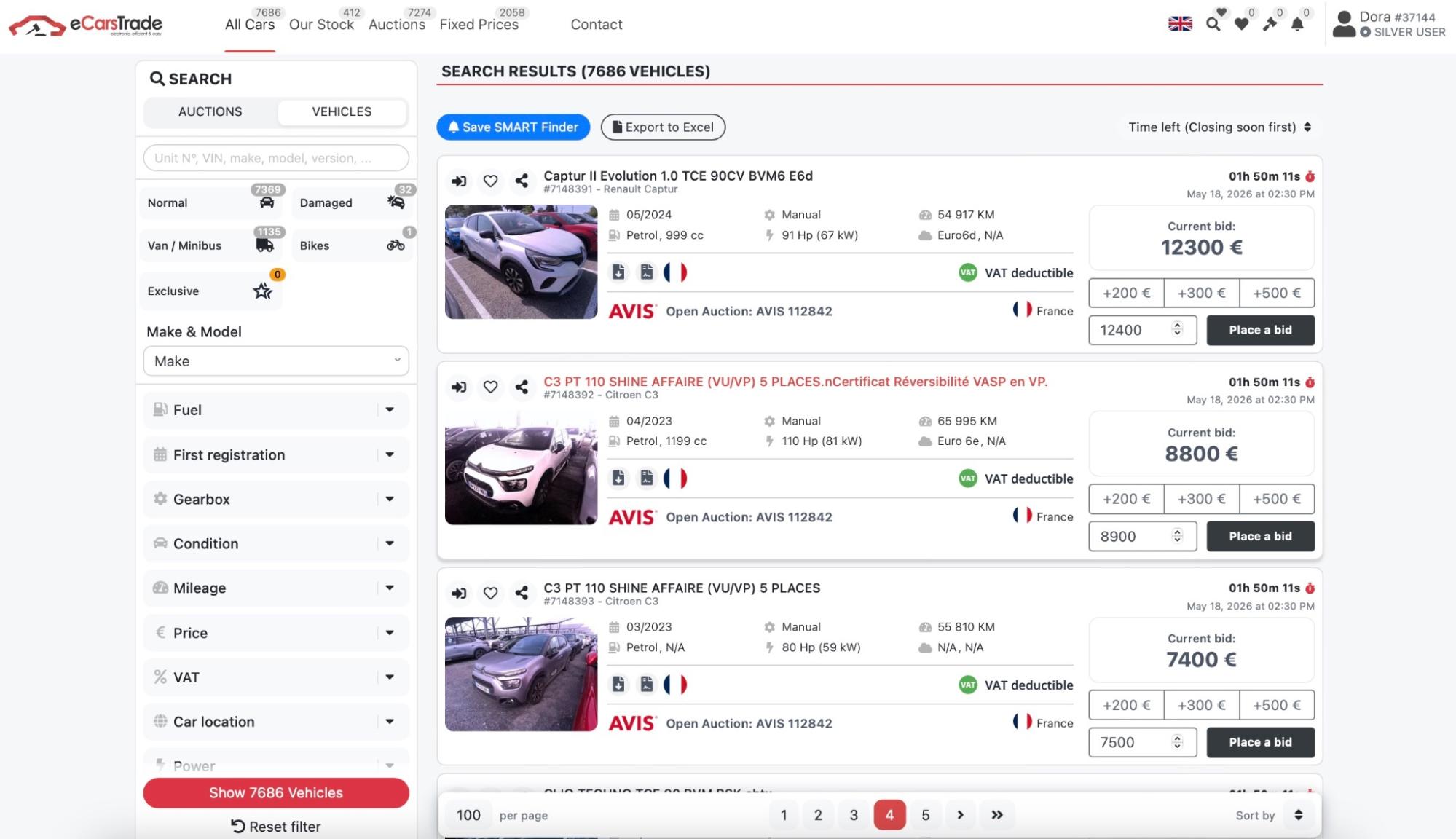
Before bidding, check the car description and the available documents.
Once you win the auction, you’ll need to complete the payment, and then you’ll receive the vehicle purchase invoice.
With that document, you can start preparing for import.
2. Arrange transport to Slovakia
The next step is getting the car to your dealership. The easiest way to do this is to use the eCarsTrade Delivery Service, which handles the logistics and delivers the car to your dealership.
If you decide to transport the car yourself, make sure you obtain the right transit plates and insurance.
If you hire a carrier to transport the car by truck, the shipment should also have a CMR consignment note.
3. Apply for vehicle approval or recognition
Before you can register a car in Slovakia, the authorities have to recognize or approve it.
For used cars imported from another EU country, this step means Slovakia checks whether the car’s existing EU approval or roadworthiness documents can be accepted in Slovakia.
You can apply for approval through Slovakia’s road transport information system, and the application is handled by a District Office.
4. Complete the technical inspection and emissions test
Before registration, the car may also need Slovak technical and emissions checks, depending on its existing documents, and whether foreign inspection documents are accepted.
The technical inspection, known as STK (Stanica technickej kontroly), checks the car’s safety and roadworthiness.
The emissions test is known as EK (Emisná kontrola) and checks if the car meets emissions requirements. You can do the emissions test at one of the Emission control offices.
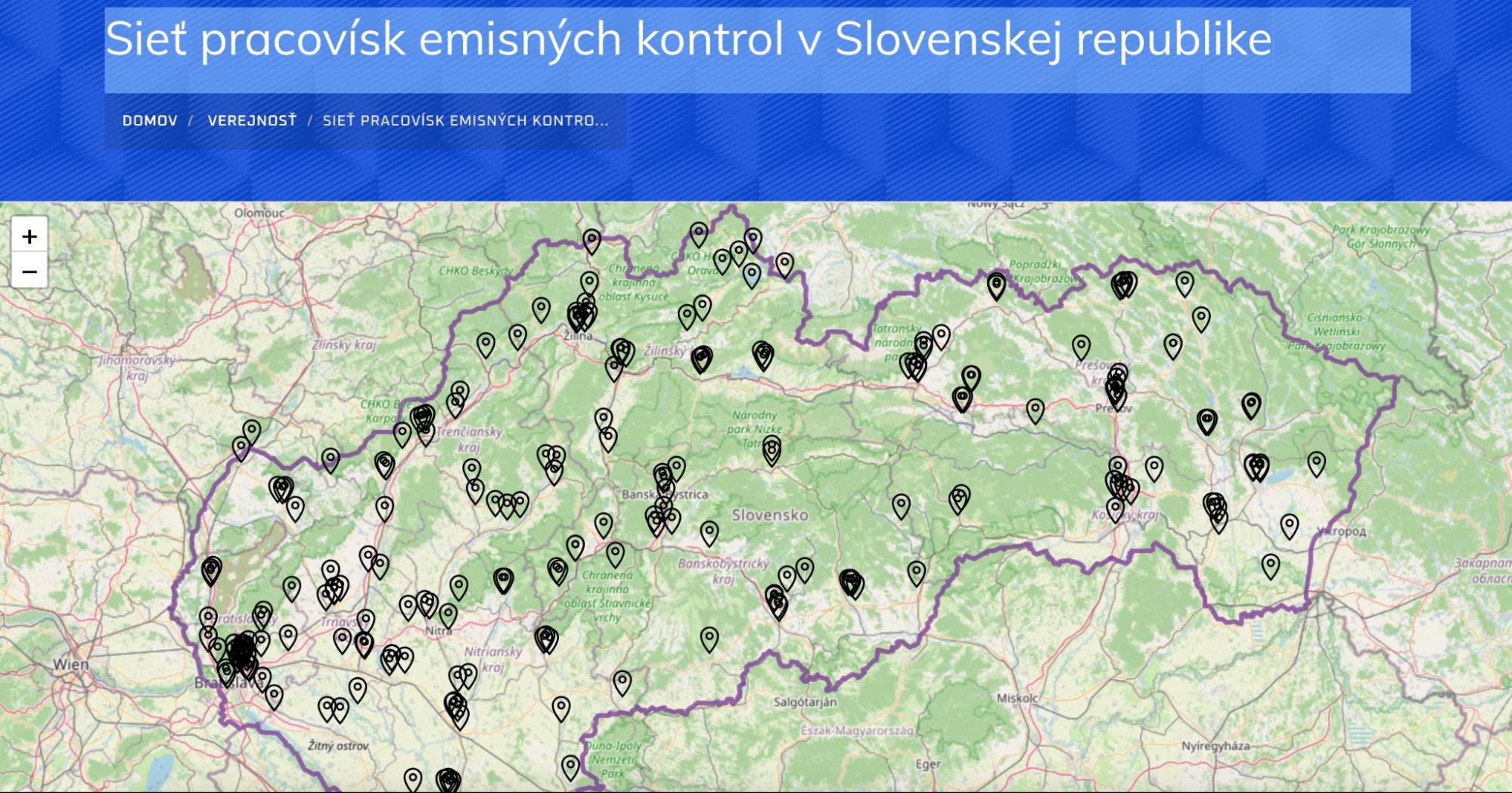 An overview of the Emission control office locations
Note that in some cases, you may be able to skip this step.
If you already have valid inspection documents from the country of purchase, check if they can be accepted.
If not, you’ll have to complete the inspection and the emissions test before continuing with registration.
5. Get compulsory motor vehicle insurance
The next step is to arrange compulsory motor vehicle insurance.
You’ll need proof of insurance when applying for registration at the Traffic Inspectorate, so arrange it before you submit the registration application.
6. Register the vehicle
When your District Office approves the vehicle and issues the Slovak Part II registration certificate, you can apply for registration at the Traffic Inspectorate.
You’ll pay the administrative fee as part of the registration process there.
For registration, prepare the following:
- The Part II registration certificate issued by the District Office
- Proof of compulsory motor vehicle insurance
- Proof that you’ve paid the administrative fee
- Your ID and company documents
After you’ve completed this step, you’ll receive registration plates and the registration certificate.
Get to know the Slovak used car market
Slovakia is one of the world’s leading car producers per capita, producing more cars per person than almost any other country.
However, many of these cars are exported, while the local Slovak used car market relies on imports and older models.
According to Arval Trading, a big share of Slovak imports comes from Germany, Austria, and other EU neighboring countries.
For traders, this means there’s demand for well-documented, well-maintained cars from other EU countries.
And what types of vehicles do Slovak buyers prefer?
Popular models in Slovakia include practical hatchbacks and SUVs.
Based on BestSellingCarsBlog’s 2025 data, some of the best-selling models included:
- Skoda Octavia
- Kia Ceed
- Skoda Fabia
- Skoda Karoq
- Kia Sportage
- Hyundai i30
Another helpful thing to keep in mind when choosing what vehicles to stock is that EV demand in Slovakia is still relatively low.
EVs made up only 2.38% of new car registrations in 2024, while plug-in hybrids had a 2.41% market share.
So, while EVs may become more relevant in the future, Slovak buyers currently still lean more toward practical petrol and diesel models.
Importing a car to Slovakia - FAQ
► What documents do I need to import a used car to Slovakia?
You’ll need: the vehicle purchase invoice, original registration documents, proof of identity, and official translations into Slovak for documents issued in a foreign language.
► Do I pay customs duty when importing from another EU country?
No. Customs duty only applies when importing from a country that’s not an EU member.
► Where do I register an imported car in Slovakia?
After the District Office approves the vehicle, you apply for registration at the Traffic Inspectorate.
► What checks do I need to complete for the District Office to approve the vehicle?
You may need a technical inspection and emissions test as part of the approval process. If the car already has valid inspection documents from the country of purchase, check with the District Office if they can be accepted.
L'importation de véhicules depuis l'Europe peut être complexe, mais eCarsTrade est là pour simplifier le processus. Découvrez comment :